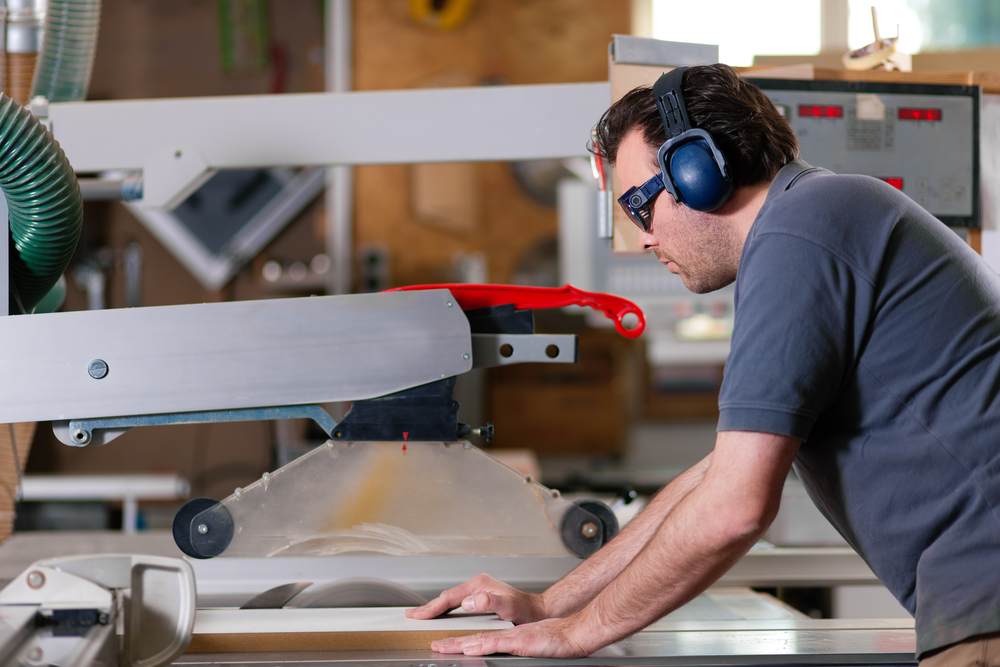
Working a long time in loud noise can negatively impact your hearing, particularly when sound intensity surpasses safe limits. It is essential to shield your ears, not only to prevent hearing damage, but also to help you focus in loud environments. Consequently, what steps should you implement to identify the ideal hearing protection level matched to your situation?
The necessity of knowing noise levels and effects
Noise damage depends not only on the volume of the sound but also on how long you are exposed to it. Decibels are the fundamental measurement unit for noise, representing the volume of sound. Sounds at 85 dB and beyond can result in hearing impairment, especially when exposure is continuous.
Consider that 85 dB is similar to the intensity of city traffic noise heard while sitting in a car. Despite it not sounding excessive, eight hours of uninterrupted exposure at this level can cause the onset of harm to your hearing. The louder the sound, the less the safe exposure time:
- Exposure to 90 dB (the sound of a Lawnmower) for more than 4 hours could be damaging.
- You should keep exposure to 100 dB (such as Power tools) to one hour or less.
- At 110 dB (Leaf blower), damage can result in as little as 15 minutes of exposure.
- Exposure to 120 dB (a Rock concert) will damage your hearing instantly.
- Exposure to 140 dB (Jet engine) results in immediate damage and intense pain.
Identifying dangerous noise levels
If you’re frequently exposed to noise levels of 85 dB or more, wearing hearing protection is necessary. This is primarily true in workplaces like building areas, factories, or any setting where equipment, devices, or gear produce excessive noise.
Hearing protection is also useful outside of the workplace; pursuits like attending music concerts, operating leaf blowers, or participating in shooting sports can subject you to dangerous sound levels.
Choosing protection based on Noise Reduction Ratings (NRR)
The Noise Reduction Rating (NRR) is the key metric employed to gauge how well hearing protection works. Given in dB, this figure indicates the degree of sound reduction the protective unit is able to block. Higher NRR values offer superior protection. An illustration is a pair of earplugs with a 30 dB NRR, which could drop an 85 dB sound to 55 dB, thereby keeping you securely within the limits of safe exposure.
When choosing hearing protection, assess the specific noise levels you’re exposed to and verify your choice delivers enough blockage to stay below the 85 dB limit.
Why comfort is essential for wearing hearing protection constantly
Comfort is a factor of similar importance to the NRR, as it directly impacts whether you will use the protection consistently for the long haul. An uncomfortable or cumbersome protective gear increases the inclination to remove it, which exposes your ears to harmful noise.
Choosing well-fitting hearing protection results in continuous wear, thus decreasing the threat that you will be exposed to noise intermittently. For example, if earmuffs are too heavy or cause discomfort, you may be inclined to remove them occasionally, subjecting your ears to dangerous noise levels.
Exploring the different types of ear protection
There are several different types of hearing protection, and each has its own pros and drawbacks:
- Foam Earplugs: These sit inside the ear canal and offer excellent noise reduction. They’re lightweight and disposable but may feel uncomfortable for some users.
- Pre-Molded Earplugs are positioned slightly outside the ear canal; they are reusable—a more sustainable choice—and are also easier to handle than foam earplugs.
- Covering the whole ear, Earmuffs are perfect for settings where noise volume changes, as they can be easily removed and replaced. Their drawbacks include potentially feeling warm or heavy over a long period.
Your choice should be guided by your comfort preferences and the criteria imposed by your environment. By way of illustration, a construction worker might choose earmuffs for their simplicity, while someone working in a factory may opt for earplugs for continuous use.
Committing to consistent hearing protection wear
The protection that is worn without fail is, by nature, the best performing kind. Any lapse in use, even for a short period of minutes, can have lasting results for your hearing health. It is extremely necessary to select a solution that strikes a balance between comfort, protection, and convenience for this purpose.
Ensure your lasting hearing health
Noise is an unavoidable presence in our lives, but with the correct hearing protection, you can protect your ears while continuing to appreciate the sounds around you.
Call us now to review your potential for hearing loss from noise and the best ways to protect your hearing.